
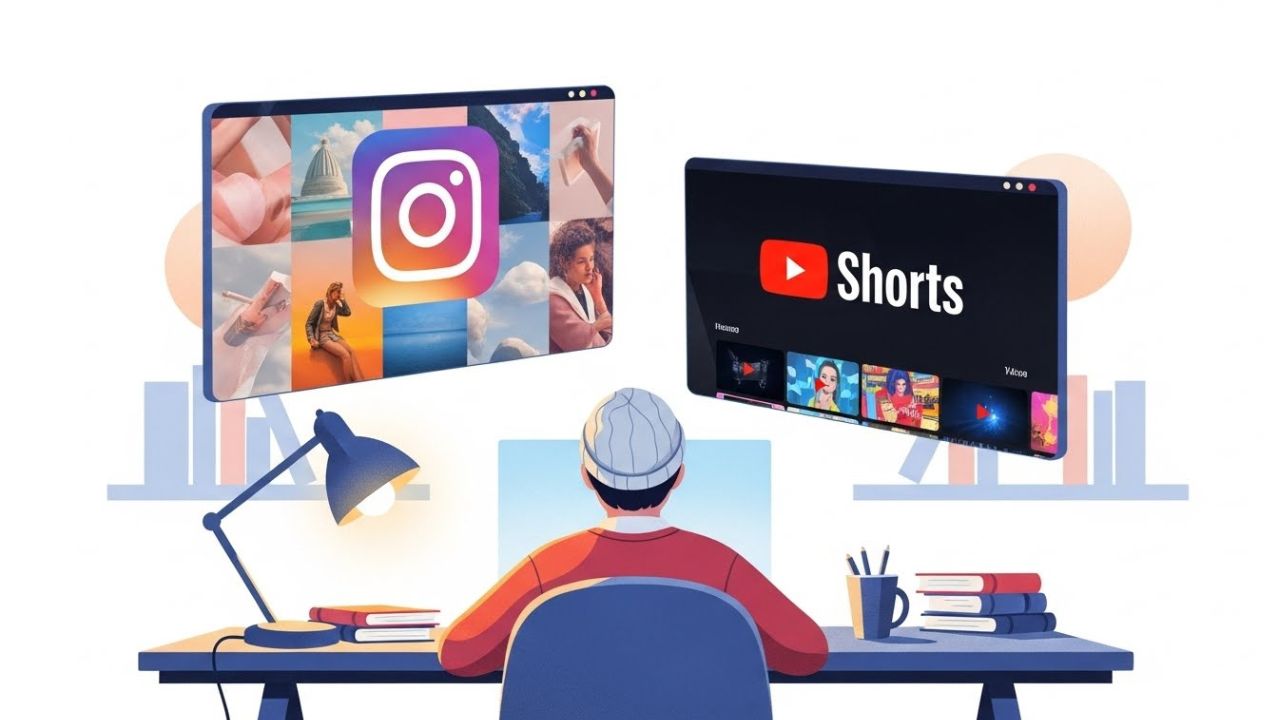
In the fast-evolving world of digital storytelling, authors find themselves with unprecedented opportunities to grow audiences, humanize their creative process, and promote their books. Social media is not just a marketing tool—it’s an extension of an author’s voice. Among the many platforms, Instagram and YouTube Shorts have emerged as two of the most powerful hubs for short-form content. Both platforms offer visibility, discovery, and engagement—but each carries unique strengths that shape how authors can leverage them.
This in-depth article explores Instagram vs. YouTube Shorts, focusing especially on how authors can use these platforms to grow readership, build community, and strengthen personal branding. Through an exploration of content formats, audience behaviors, algorithm logic, and growth mechanics, authors can make informed decisions about where—and how—to invest their creative energy.
📚💡 Whether you write fiction or non-fiction, whether you prefer face-to-camera videos or creative aesthetics, this guide aims to help you harness the full power of short-form digital storytelling.
1. Introduction: The Author in the Social Media Era 📱✍️
The modern author is not only a storyteller, but also a content creator, community builder, and brand ambassador. Traditional publishing has always relied on visibility, but the digital shift has changed how visibility is generated. Now, discoverability is democratic, algorithm-driven, and global.
Instagram and YouTube Shorts stand out as two platforms where authors can:
- Showcase writing routines
- Share book teasers
- Present aesthetics or moodboards
- Engage fans with Q&As
- Build anticipation for launches
- Connect with bookstagram and booktube communities
- Create memorable visual identities
Both platforms serve similar purposes—but they attract different audiences, reward different content styles, and ultimately shape the author’s brand in different ways.
Understanding these differences is essential for crafting an effective, sustainable content strategy.
2. Instagram: A Visual Ecosystem for Authors 📸✨
Instagram began as a photo-sharing app, known for its carefully curated aesthetic. Over time, it has expanded into a dynamic multimedia ecosystem with:
- Feed posts
- Stories
- Reels
- Carousels
- Lives
- Broadcast Channels
This multilayered structure allows authors to diversify how they express themselves and interact with readers.
2.1. Instagram’s Strengths for Authors
🧲 Brand Aesthetic Control
Instagram is ideal for cultivating a visual identity through:
- Book covers
- Writing desk inspiration
- Character art
- Moodboards
- Quotes from manuscripts
- Behind-the-scenes shots
The platform rewards beauty, consistency, and personality.
🤝 Community Dynamics
Instagram fosters communities through hashtags like:
- #Bookstagram
- #AuthorLife
- #AmWriting
- #WritersOfInstagram
Audiences on Instagram value authenticity. They respond well to personal stories, warm interactions, and vulnerability.
🎥 Reels for Short-Form Growth
Reels—Instagram’s answer to TikTok and Shorts—provides strong discovery potential:
- Quick writing tips
- Book trailers
- Micro-vlogs
- Storytelling snippets
- Writing challenges
Reels can help authors reach audiences far beyond their followers.
📩 Messaging & Reader Connection
Instagram’s DM system is intimate and conversational.
Authors can easily:
- Reply to messages
- Share voice notes
- Connect with superfans
- Build relationships
This environment is ideal for cultivating loyalty.
3. YouTube Shorts: The Algorithmic Powerhouse 🎬🚀
YouTube Shorts is fundamentally a video-first platform. Its recommendation engine is among the most sophisticated on the internet, and YouTube as a whole is already a massive discovery engine for all kinds of creators—including authors.
Shorts is YouTube’s direct answer to TikTok, providing vertical micro-videos optimized for:
- Rapid consumption
- High shareability
- Algorithmic distribution
3.1. YouTube Shorts’ Strengths for Authors
🎯 Massive Discovery Potential
YouTube’s recommendation system isn’t limited by social graphs—meaning authors don’t need a large following to go viral.
A brand-new author can reach tens of thousands of viewers overnight.
📈 Long-Term Growth
One of YouTube’s biggest advantages is longevity:
- Shorts can continue gaining views months later
- YouTube does not “bury” older content
- Discovery isn’t tied to recency
Authors benefit from a long runway of discoverability.
⏳ Evergreen Educational Content
Shorts is ideal for:
- Writing tips
- Grammar hacks
- Storytelling lessons
- Author Q&A
- Quick book summaries
This type of content can attract large audiences of aspiring writers and readers.
💰 Monetization
YouTube offers:
- Ad revenue
- Channel memberships
- Super thanks
- Affiliate links
- Traffic to long-form videos
For authors, YouTube can become an additional income stream.
4. Content Styles That Work Best for Authors on Each Platform 🖋️📹
Let’s look at platform preferences.
4.1. Instagram Content that Performs Well
- Aesthetic Reels with music
- Writing process micro-vlogs
- “Day in the Life of an Author”
- Notes app-style quotes
- Beautiful desk setups
- Book trailers
- Behind-the-scenes stories
- Carousel storytelling
- Before/after editing pages
- Author selfies and personal updates
Instagram favors beauty, personality, and lifestyle.
4.2. YouTube Shorts Content that Performs Well
- Fast, information-heavy tips
- Storytelling with punchlines
- “3 writing mistakes to avoid”
- “Before/after editing examples”
- Snappy book summaries
- Humor related to writing
- High-energy explanations
- Talk-to-camera videos
Shorts rewards clarity, speed, and value.
5. Audience Behavior: Who Are You Talking To? 🧠👥
Understanding audience psychology helps authors decide where their energy is best spent.
5.1. Instagram Audience Tendencies
- Emotional connection
- Visual inspiration
- Aesthetic appreciation
- Strong community ties
- Prefer “getting to know you”
- Follower-based reach
Instagram users enjoy feeling close to the creator.
5.2. YouTube Shorts Audience Tendencies
- Highly varied demographics
- Less personal, more educational
- Driven by discovery, not familiarity
- Interested in entertainment or quick value
- More anonymous audience segments
YouTube users want insight, humor, or storytelling in seconds.
6. Engagement Differences: What Does “Success” Look Like? 📊🔥
We can compare engagement patterns across both platforms.
Table 1: Engagement Style Comparison
| Aspect | YouTube Shorts | |
|---|---|---|
| Engagement Type | Likes, comments, saves, shares | Views, likes, comments, retention time |
| Depth of Interaction | More personal | More anonymous |
| Longevity | Short | Long |
| Virality | Medium-High | Very High |
| Community Building | Strong | Moderate |
| Algorithm Focus | Visual aesthetics + relationship | Watch time + content satisfaction |
6.1. Instagram Engagement Behavior
Likes and comments are common, but the real gold is saves and shares.
Authors often grow when their posts become relatable or aspirational.
6.2. Youtube Shorts Engagement Behavior
The first 1–3 seconds are everything. Retention time determines virality.
Interaction is less personal, but reach is massive.
7. Algorithm Differences: How Posts Spread 🌐🤖
Understanding the algorithmic DNA helps authors optimize strategy.
7.1. Instagram Algorithm Highlights
- Rewards consistent posting
- Promotes content to followers first
- Boosts posts with high early engagement
- Prefers beautiful, emotionally resonant visuals
- Strong hashtag ecosystem
Instagram emphasizes social connection and visual branding.
7.2. YouTube Shorts Algorithm Highlights
- Based on retention and satisfaction
- Doesn’t rely on follower count
- Prioritizes repeat view potential
- Learns audience preferences rapidly
- Promotes content globally, not regionally
Shorts is an interest graph, not a social graph.
8. Discoverability & Reach 🌍✨
8.1. Instagram Discoverability
Discoverability depends on:
- Reels
- Explore page
- Hashtags
- Shares and saves
But it has a tendency to plateau if an account becomes inactive.
8.2. YouTube Shorts Discoverability
Shorts can explode even without:
- Followers
- Hashtags
- Frequent posting
- Prior content
YouTube looks at content quality—not creator history.
9. Which Platform Grows an Author’s Brand Faster? ⚡📚
Instagram → Stronger Personal Branding
Because it emphasizes:
- Aesthetics
- Lifestyle
- Author personality
Instagram is excellent for selling the person behind the book.
YouTube Shorts → Faster Exposure
YouTube pushes content based on performance metrics, enabling:
- Faster audience growth
- Wider reach
- Greater visibility
Shorts is excellent for selling the value an author can provide.
10. What Type of Author Benefits Most from Each Platform? 🎨🛠️
10.1. Instagram is Best For:
- Fiction authors
- Romance, fantasy, YA storytellers
- Authors who enjoy aesthetics
- Visual creators
- Authors who want community
- Anyone with a strong personal brand
10.2. YouTube Shorts is Best For:
- Non-fiction authors
- Writing coaches
- Educational writers
- Thriller/mystery authors with quick hooks
- Humor-driven creators
- Authors who like talking on camera
11. Monetization Potential 💰📘
Instagram Monetization Paths
- Sponsored posts
- Affiliate links
- Selling books directly
- Brand collaborations
- Paid badges in Lives
- Broadcast channel exclusives
YouTube Monetization Paths
- Ad revenue (largest advantage)
- Affiliate links
- Channel memberships
- Long-form content connections
- Sponsorships
- Book sales via strong CTA
YouTube generally provides better long-term revenue opportunities.
12. Community Building: Where Do Readers Feel Closer to Authors? 🤗❤️
12.1. Instagram: High Emotional Proximity
Readers feel like friends.
DMs and stories create a sense of daily authenticity.
12.2. YouTube Shorts: Medium Community Potential
Shorts alone is not a deep community tool.
But pairing Shorts with long-form YouTube creates exceptional trust-building.
13. Content Creation Difficulty: Which Is Easier for Authors? 🔧📸
Instagram Ease of Use
- Simple editing tools
- Aesthetic templates
- Easier to produce low-energy content
- Stories require no editing
- Reels can be short & casual
YouTube Shorts Difficulty
- Requires higher video clarity
- Preferably better lighting
- Clean, fast-paced speech
- Editing apps recommended
- Strong hooks needed early
Shorts takes more effort—but yields more reward.
14. The Emotional Labor of Each Platform 🧠⚖️
Authors must consider sustainability.
Instagram Emotional Demands
- Constant presence
- High social interaction
- Pressure for aesthetics
- Comparisons to other authors
YouTube Emotional Demands
- Talking to camera
- Handling anonymous comments
- Broad exposure
- Less personal support
Choose the platform that aligns with your personality.
15. Posting Frequency Recommendations 📅
- Reels: 2–5 per week
- Stories: Daily
- Feed posts: 1–3 per week
YouTube Shorts
- Shorts: 3–7 per week
YouTube rewards overwhelming volume more aggressively.
16. Time Investment: How Much Work Is Required? ⏱️
Instagram → Higher ongoing maintenance
Stories, engagement, DMs.
YouTube Shorts → Higher production per video
But less daily maintenance.
17. Examples of Video Ideas for Authors ✍️🎬
Instagram Reel Ideas
- “Books that inspired me as a writer”
- “My writing desk setup 📝✨”
- “Aesthetic character moodboard”
- “3 writing myths debunked”
- “Morning writing routine”
YouTube Shorts Ideas
- “3 dialogue mistakes to avoid”
- “How I outline a novel in 60 seconds”
- “Use this trick to fix your pacing”
- “Readers will love your villain if…”
- “Why your first chapter isn’t working”
18. Which Platform Should an Author Choose? 🧭📚
Choose Instagram if you want:
- Emotional connection
- Aesthetic branding
- Daily interaction
- Community growth
- Soft selling
Choose YouTube Shorts if you want:
- Larger audience reach
- Long-term discoverability
- Strong authority in your niche
- Higher monetization
- Educational or punchy content
Best Strategy of All: Use Both
When used together, they create a powerful ecosystem:
- Instagram builds loyal fans
- Shorts drives new audiences to your platforms
- Both promote your books
A winning formula.
Conclusion: Instagram vs. YouTube Shorts — What Authors Should Know 🎉📘
Instagram is the home of community, aesthetics, and emotional connection, while YouTube Shorts is the engine of discovery, authority, and large-scale exposure. Each platform offers unique advantages for authors seeking to expand their online presence.
Ultimately, success depends on:
- Your personality
- Your content style
- Your author brand
- Your capacity to produce content consistently
The most effective authors use each platform strategically—Instagram for depth and YouTube Shorts for reach.
Harness both, and you transform from a writer into a digital storyteller capable of reaching readers worldwide.
📚✨ The world is ready to hear your stories—now you have two powerful tools to help them find you.
Leave a Reply