
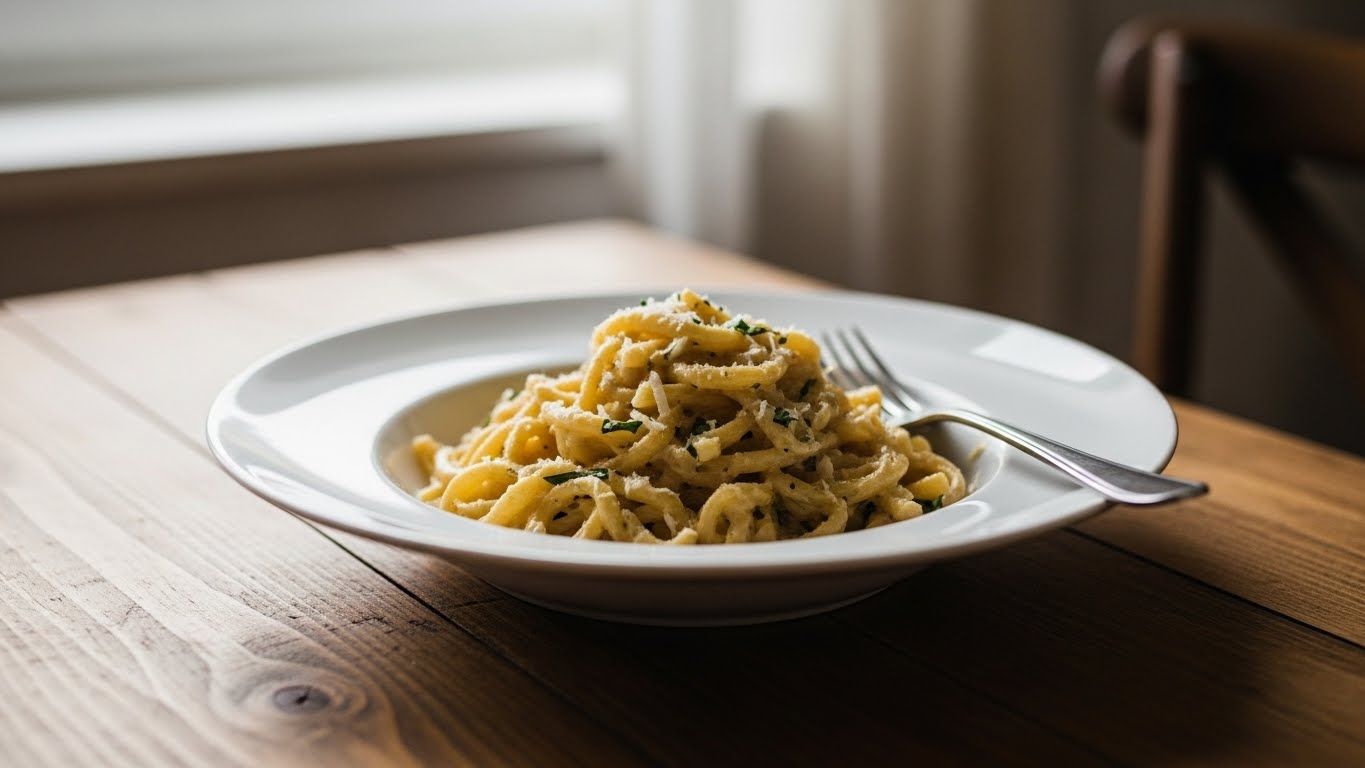
Instagram has evolved far beyond a simple photo-sharing app. For food bloggers, it is now one of the most powerful platforms for storytelling, education, and monetization. Among all Instagram formats—single images, Reels, Stories, Lives—the carousel post stands out as one of the most effective tools for sharing recipes in a way that is both visually compelling and algorithm-friendly.
A carousel post allows users to swipe through multiple images or graphics within a single post. This simple mechanic creates longer engagement times, encourages interaction, and gives food creators the space they need to break down complex recipes into digestible steps. For food bloggers, this format bridges the gap between beauty and utility: you can showcase mouthwatering food photography and teach your audience how to recreate the dish.
This article is a deep, practical guide to mastering Instagram recipe carousels. Whether you are a beginner food blogger or an experienced content creator looking to improve performance, you will learn:
- Why recipe carousels outperform single-image posts
- How to structure each slide for clarity and engagement
- Visual design principles specific to food content
- Caption-writing strategies that drive saves and shares
- Common mistakes to avoid 🚫
- Advanced tactics for growth, branding, and monetization
Let’s dive in 🍳✨
1. Understanding the Power of Instagram Carousels 📊
1.1 How the Instagram Algorithm Treats Carousels
Instagram favors content that keeps users on the platform longer. Carousels naturally do this because they:
- Encourage swiping (multiple interactions)
- Often get shown twice in the feed (first slide, then later another slide)
- Generate more saves and shares than single images
From an algorithmic perspective, every swipe is a micro-engagement. This means recipe carousels have more opportunities to signal value to Instagram’s system.
1.2 Why Food Content Performs Exceptionally Well
Food is inherently visual and emotional. People associate food with comfort, culture, health, and pleasure. Recipe carousels tap into these emotions by offering:
- Visual satisfaction 😍
- Practical value (step-by-step guidance)
- Aspirational lifestyle cues
When done correctly, food carousels don’t just get likes—they get saves, which are one of the strongest ranking signals on Instagram.
2. What Makes a Great Recipe Carousel? 🍝
A successful recipe carousel is not random. It follows a clear structure that guides the viewer from curiosity to action.
2.1 The Core Goals of a Recipe Carousel
Every recipe carousel should aim to:
- Stop the scroll
- Educate clearly
- Inspire cooking
- Encourage saving and sharing
If a carousel fails at one of these, it underperforms.
3. The Ideal Recipe Carousel Structure (Slide by Slide) 🧩
Below is a proven structure used by top-performing food bloggers.
3.1 Slide 1: The Hook (Cover Slide)
This is the most important slide.
Purpose: Grab attention instantly.
Best practices:
- Show the final dish in its most appetizing form
- Use bold, readable text overlay
- Keep it simple and emotional
Examples of effective hooks:
- “Creamy 15-Minute Pasta 🍝”
- “No-Bake Chocolate Dessert 🍫”
- “High-Protein Breakfast Idea 💪”
Tip: Avoid clutter. One strong image beats five weak elements.
3.2 Slide 2: Quick Value Proposition
This slide answers the question: Why should I keep swiping?
Ideas:
- Cooking time ⏱️
- Dietary benefit (vegan, gluten-free, keto)
- Skill level (beginner-friendly)
Example:
“Ready in 20 minutes • Only 6 ingredients • Kid-approved”
3.3 Slide 3: Ingredients List 🥬
The ingredients slide is often saved the most.
Best practices:
- Use bullet points
- Group ingredients logically
- Avoid long paragraphs
Example layout:
- 200g pasta
- 1 cup cherry tomatoes
- 2 cloves garlic
- Olive oil, salt, pepper
Design tip: Use icons or emojis sparingly for clarity.
3.4 Slides 4–7: Step-by-Step Instructions 👩🍳
Break each step into one slide if possible.
Why this works:
- Easier to follow
- Better visual pacing
- Encourages swiping
Each step should include:
- A short instruction
- A relevant image or close-up
- Consistent typography
Example:
- Step 1: Boil pasta until al dente
- Step 2: Sauté garlic in olive oil
- Step 3: Add tomatoes and simmer
3.5 Final Slide: Call to Action (CTA) 🚀
Never waste the last slide.
Strong CTAs include:
- “Save for later 🔖”
- “Share with a friend who loves pasta 🍝”
- “Comment ‘RECIPE’ for details”
This slide can also:
- Tease a blog link
- Promote a Reel
- Reinforce branding
4. Visual Design Principles for Food Carousels 🎨
4.1 Color Psychology in Food Content
Colors trigger appetite and emotion.
| Color | Emotional Effect | Best Use |
|---|---|---|
| Red | Appetite, energy | Sauces, meats |
| Green | Fresh, healthy | Salads, herbs |
| Yellow | Warmth, joy | Breakfasts |
| Brown | Comfort | Baking, chocolate |
4.2 Typography: Readability Over Style
Rules to follow:
- Use 1–2 fonts only
- High contrast text (light on dark or vice versa)
- Large font size for mobile viewing 📱
Avoid:
- Script fonts for body text
- Text over busy backgrounds
4.3 Consistent Branding
Brand consistency builds recognition.
Elements to standardize:
- Font choices
- Color palette
- Logo placement
- Tone of voice
Over time, users should recognize your post without seeing your username.
5. Photography Tips for Recipe Carousels 📷🍓
5.1 Lighting Is Everything
Natural light > artificial light.
Tips:
- Shoot near a window
- Use reflectors (white paper works!)
- Avoid harsh overhead lighting
5.2 Angles That Work Best
| Dish Type | Best Angle |
|---|---|
| Bowls | 45° angle |
| Flat foods | Overhead |
| Tall items | Straight-on |
5.3 Showing Process, Not Just Results
Process shots increase trust.
Examples:
- Stirring sauce
- Chopping vegetables
- Pouring glaze
These make the recipe feel achievable.
6. Caption Writing for Recipe Carousels ✍️
6.1 The First Line Matters
Instagram truncates captions.
Strong openers:
- Ask a question ❓
- Share a benefit
- Create curiosity
Example:
“This pasta saved my busy weeknights…”
6.2 Caption Structure That Converts
Recommended structure:
- Hook
- Short story or value
- Additional tips
- CTA
6.3 Hashtags: Still Relevant?
Yes, but strategically.
Best practices:
- 5–15 relevant hashtags
- Mix of niche + medium size
- Avoid banned or generic tags
7. Common Mistakes to Avoid 🚫
| Mistake | Why It Hurts |
|---|---|
| Too much text | Overwhelms viewer |
| No CTA | Missed engagement |
| Inconsistent style | Weak branding |
| Poor lighting | Reduces appetite |
| Tiny fonts | Hard to read |
8. Advanced Carousel Strategies for Growth 📈
8.1 Storytelling Through Recipes
People remember stories more than instructions.
Examples:
- Family tradition
- Cultural background
- Personal transformation
8.2 Repurposing Carousel Content
One recipe carousel can become:
- A Reel 🎥
- Pinterest pin
- Blog post
- Email newsletter
This multiplies reach with minimal effort.
8.3 Monetizing Recipe Carousels 💰
Ways to earn:
- Sponsored ingredients
- Affiliate links (in bio)
- Paid recipe ebooks
- Coaching or meal plans
9. Example Carousel Blueprint (Table)
| Slide | Content | Goal |
|---|---|---|
| 1 | Final dish + hook | Stop scroll |
| 2 | Benefits | Retain interest |
| 3 | Ingredients | Save-worthy |
| 4–7 | Steps | Education |
| 8 | CTA | Engagement |
10. The Future of Recipe Carousels on Instagram 🔮
Even with the rise of Reels, carousels remain essential because:
- They are searchable
- They are save-friendly
- They support education better than video alone
Smart food bloggers use both, but carousels remain the backbone of evergreen content.
Conclusion: Turning Swipes Into Loyal Followers ❤️
Instagram recipe carousels are more than a trend—they are a strategic tool for building a loyal, engaged audience. When you combine mouthwatering visuals, clear instructions, strong design, and intentional CTAs, your content becomes both beautiful and useful.
Remember:
- Design for mobile
- Teach simply
- Brand consistently
- Always invite interaction
Master these principles, and your food blog won’t just grow—it will stand out 🍽️✨
Leave a Reply