
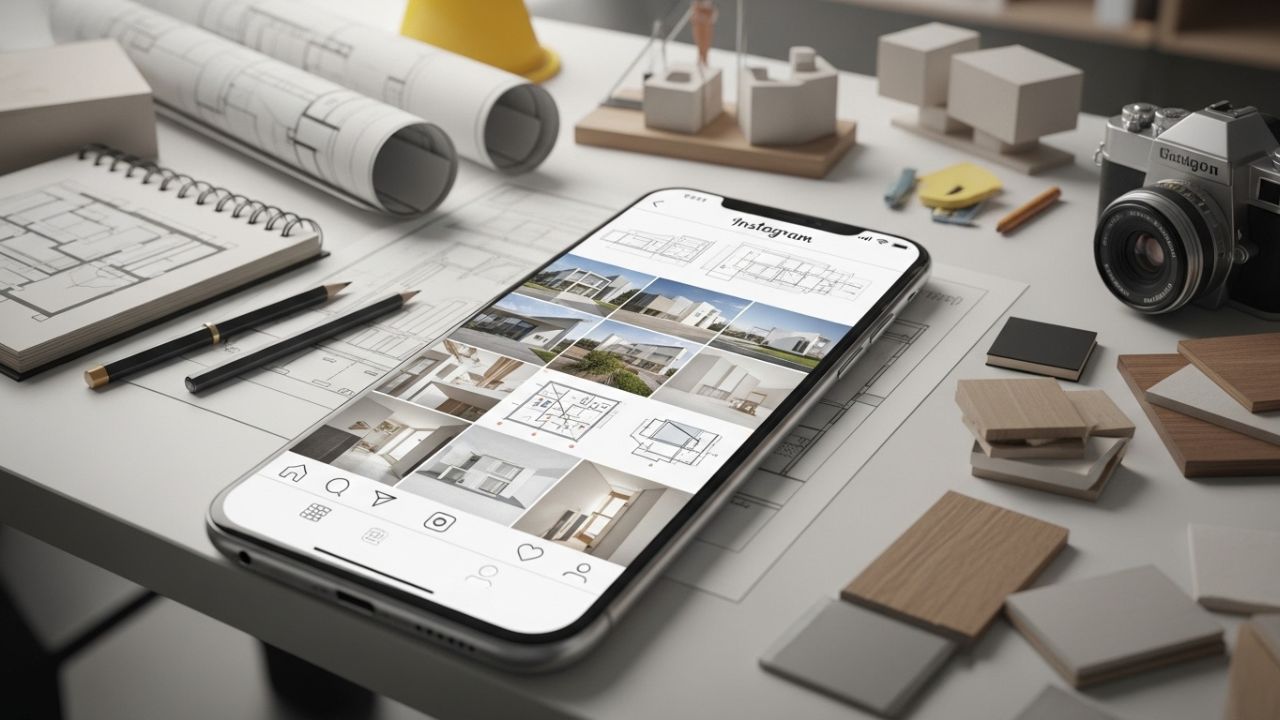
In the past, architects relied on magazines, professional competitions, exhibitions, and word-of-mouth to showcase their work. Today, Instagram has become one of the most powerful platforms for architects to present projects, communicate ideas, and build a recognizable professional identity. With over a billion users worldwide, Instagram is not just a social media app—it is a visual portfolio, a networking tool, a marketing channel, and a storytelling platform all in one.
Architecture is inherently visual. It blends art, engineering, culture, and human experience. Instagram’s image-first format makes it especially suitable for architects who want to show their design process, highlight completed projects, and communicate spatial ideas quickly and emotionally. However, success on Instagram is not automatic. Simply posting beautiful images is rarely enough. Architects must think strategically about content, storytelling, consistency, and engagement.
This article is a comprehensive guide on Instagram for Architects: Project Showcase Tips. It is designed for architecture students, emerging architects, independent studios, and established firms looking to elevate their Instagram presence. You will learn how to curate your profile, photograph and present projects, use captions effectively, leverage Reels and Stories, analyze performance, and avoid common mistakes. Throughout the article, you’ll also find practical tables, structured frameworks, and actionable advice to help you implement these ideas immediately.
Let’s dive in and explore how architects can transform Instagram into a compelling digital stage for their work. 🚀
1. Understanding Instagram as a Digital Architecture Portfolio 🧠
1.1 Instagram vs. Traditional Portfolios
A traditional architectural portfolio is usually static, linear, and curated for a specific audience. Instagram, on the other hand, is dynamic, non-linear, and public. Your audience includes potential clients, collaborators, students, journalists, and design enthusiasts from around the world.
Key differences include:
| Aspect | Traditional Portfolio | Instagram Portfolio |
|---|---|---|
| Format | PDF / Printed | Images, videos, Reels |
| Audience | Selective | Global |
| Update Frequency | Occasional | Continuous |
| Storytelling | Structured | Episodic |
| Feedback | Limited | Immediate (likes, comments, shares) |
Instagram allows architects to present not only finished projects but also process, conceptual thinking, and behind-the-scenes moments, making the work more relatable and engaging.
1.2 Defining Your Architectural Voice
Before posting anything, architects should ask an essential question:
“What do I want my Instagram to say about my architecture?”
Your architectural voice might focus on:
- Minimalist residential design 🏠
- Sustainable and ecological architecture 🌱
- Parametric and computational design 💻
- Urban and public spaces 🏙️
- Experimental or conceptual projects 🎨
Defining this voice helps guide visual style, captions, and content selection. A clear identity makes your profile memorable and professional.
2. Optimizing Your Instagram Profile for Architecture 🧩
2.1 Profile Picture and Username
Your profile picture should be simple and recognizable:
- Studio logo (preferred for firms)
- Clean headshot (for individual architects)
Your username should be:
- Easy to read
- Consistent with your studio or professional name
- Avoid numbers and unnecessary symbols
Example:
- ✅
@atelier_north - ❌
@atelier_north_1987_xx
2.2 Writing a Strong Bio for Architects ✍️
Your bio is your architectural “elevator pitch.” It should clearly communicate:
- Who you are
- What you design
- Where you are based
- How to contact you
Bio Structure Example:
Architect | Urban & Residential Design 🏛️
Sustainable Spaces | Minimal Aesthetics 🌱
Based in Lisbon
📩 [email protected]
You can also include:
- Awards 🏆
- Publications 📚
- A link to your website or portfolio
2.3 Highlights as Mini-Exhibitions
Instagram Highlights can act as curated galleries. Architects can organize them as:
| Highlight Title | Content Idea |
|---|---|
| Projects | Finished works |
| Process | Sketches, models, diagrams |
| Construction | Site photos |
| Details | Materials, joints, textures |
| Press | Articles, features |
| Studio | Team, workspace |
Highlights help new visitors understand your work quickly.
3. Photography Tips for Architectural Projects 📷
3.1 The Importance of High-Quality Images
Instagram compresses images, but quality still matters immensely. Blurry, poorly lit, or distorted images can diminish even the best architecture.
Key Photography Principles:
- Use natural light whenever possible ☀️
- Avoid extreme wide-angle distortion
- Keep vertical lines straight
- Emphasize spatial depth
Professional architectural photography is ideal, but if not possible, careful smartphone photography can still be effective.
3.2 Types of Images Architects Should Post
Architectural storytelling improves when you mix different image types:
| Image Type | Purpose |
|---|---|
| Exterior Views | Context and massing |
| Interior Spaces | Atmosphere and function |
| Details | Craftsmanship and materials |
| Human Scale | Show how people use space |
| Context Shots | Relationship with surroundings |
| Night Shots | Lighting design and mood |
This variety keeps your feed visually interesting and informative.
3.3 Composition and Framing for Instagram
Instagram favors square (1:1) and vertical (4:5) formats. Architects should compose images accordingly.
Composition Tips:
- Use symmetry and axial views 🔲
- Frame views through doors or windows
- Use leading lines to guide the eye
- Balance negative space and solid forms
Remember: you are not just showing a building—you are guiding how the viewer experiences it.
4. Showcasing the Design Process 🧠✏️
4.1 Why Process Matters
Clients and followers love seeing how ideas become buildings. Process content builds credibility and emotional connection.
Process posts can include:
- Concept sketches
- Diagrams
- Physical models
- Digital renderings
- Construction phases
This content demonstrates thinking, not just aesthetics.
4.2 Before-and-After Posts 🔄
Before-and-after comparisons are powerful and highly engaging.
Examples:
- Existing site vs. completed project
- Early sketch vs. final building
- Raw structure vs. finished interior
Use carousel posts to let users swipe through the transformation.
4.3 Using Diagrams and Drawings Effectively
Architectural drawings can work well on Instagram if they are:
- Clean and legible
- Cropped to highlight key ideas
- Paired with explanatory captions
Simple diagrams explaining circulation, structure, or sustainability strategies help non-architect audiences understand your work.
5. Writing Captions That Tell Architectural Stories 📝
5.1 The Role of Captions in Architecture Posts
Images attract attention, but captions provide meaning. A strong caption transforms a pretty image into a design narrative.
Captions can explain:
- Design intent
- Constraints and challenges
- Material choices
- Client needs
- Environmental strategies
5.2 Caption Structures That Work
Here are three effective caption formats for architects:
1. Concept-First Caption
- Introduce the idea
- Explain how it shaped the design
2. Problem-Solution Caption
- Describe the challenge
- Show how architecture responded
3. Storytelling Caption
- Start with a moment or feeling
- Connect it to the space
5.3 Hashtags for Architects 🔖
Hashtags help reach new audiences, but quality matters more than quantity.
Hashtag Categories:
- Architecture-specific:
#architecturelovers - Project type:
#residentialarchitecture - Style:
#minimalarchitecture - Location:
#architectureportugal - Studio-specific:
#yourstudioprojects
Use 8–15 relevant hashtags per post for best results.
6. Using Instagram Reels and Stories for Architecture 🎥
6.1 Why Video is Essential
Instagram prioritizes video content. Reels and Stories allow architects to show space dynamically.
Best Reel Ideas for Architects:
- Walkthroughs 🚶
- Before/after transitions
- Construction progress
- Material close-ups
- Model-to-building transitions
6.2 Architectural Storytelling Through Stories
Stories are ideal for:
- Daily studio life
- Site visits
- Work-in-progress
- Q&A sessions
- Polls and feedback
They humanize your practice and build relationships.
6.3 Reels vs. Posts vs. Stories
| Feature | Best For |
|---|---|
| Posts | Portfolio-quality content |
| Reels | Reach and discovery |
| Stories | Engagement and authenticity |
A balanced mix ensures consistent growth.
7. Building Consistency and Visual Identity 🎨
7.1 Feed Aesthetics for Architects
Your Instagram feed should feel cohesive. This doesn’t mean all images look the same, but they should feel related.
Consistency Elements:
- Color palette
- Lighting style
- Image spacing
- Tone of captions
Some architects prefer:
- Bright, white backgrounds
- Dark, moody interiors
- Natural material tones
Choose what aligns with your architecture.
7.2 Posting Frequency and Timing ⏰
Consistency beats frequency.
Recommended Posting Rhythm:
- 2–4 posts per week
- Stories several times per week
- Reels 1–2 times per week
Posting when your audience is active increases engagement, but quality should always come first.
8. Engaging with the Architecture Community 🤝
8.1 Interaction Is Part of the Strategy
Instagram rewards engagement. Architects should:
- Respond to comments
- Reply to DMs
- Comment thoughtfully on other profiles
- Share others’ work (with credit)
Engagement builds visibility and professional relationships.
8.2 Collaborations and Features
Collaborating with:
- Photographers 📸
- Interior designers 🛋️
- Landscape architects 🌳
- Engineers 🧱
Tag collaborators to expand reach and show teamwork.
9. Analytics and Performance Tracking 📊
9.1 Understanding Instagram Insights
Key metrics architects should monitor:
- Reach
- Saves (very important for architecture)
- Shares
- Profile visits
- Website clicks
Saves indicate that users find your project valuable or inspirational.
9.2 Learning from High-Performing Posts
Analyze:
- What type of content performs best?
- Which projects get more saves?
- Which captions get more comments?
Use this data to refine your strategy.
10. Common Mistakes Architects Make on Instagram ⚠️
10.1 Posting Without Context
Images without explanation miss an opportunity to educate and connect.
10.2 Overusing Renderings
While renderings are useful, too many can feel artificial. Balance them with real photos and process images.
10.3 Inconsistent Posting
Long periods of inactivity reduce visibility and growth.
10.4 Ignoring the Human Element
Architecture is for people. Show human scale, use, and emotion.
11. Instagram as a Business and Career Tool 💼
11.1 Attracting Clients Through Instagram
Clients often discover architects through Instagram. A clear, professional profile can:
- Build trust
- Showcase expertise
- Demonstrate style compatibility
11.2 Opportunities Beyond Clients
Instagram can lead to:
- Lectures and workshops 🎤
- Publications 📖
- Collaborations 🤝
- Teaching opportunities 🎓
Conclusion: Turning Instagram Into an Architectural Narrative 🏗️✨
Instagram is not just a place to post images—it is a platform to communicate architectural ideas, share values, and build a global presence. When used thoughtfully, it becomes a living portfolio that evolves with your practice.
By focusing on quality visuals, meaningful storytelling, consistent identity, and genuine engagement, architects can transform Instagram into a powerful extension of their design philosophy. Whether you are showcasing a small residential project or a large urban intervention, remember: every post is an opportunity to tell a story about space, people, and purpose.
Architecture deserves to be understood, not just seen—and Instagram, when used well, helps make that possible. 🏛️🌍
Leave a Reply