
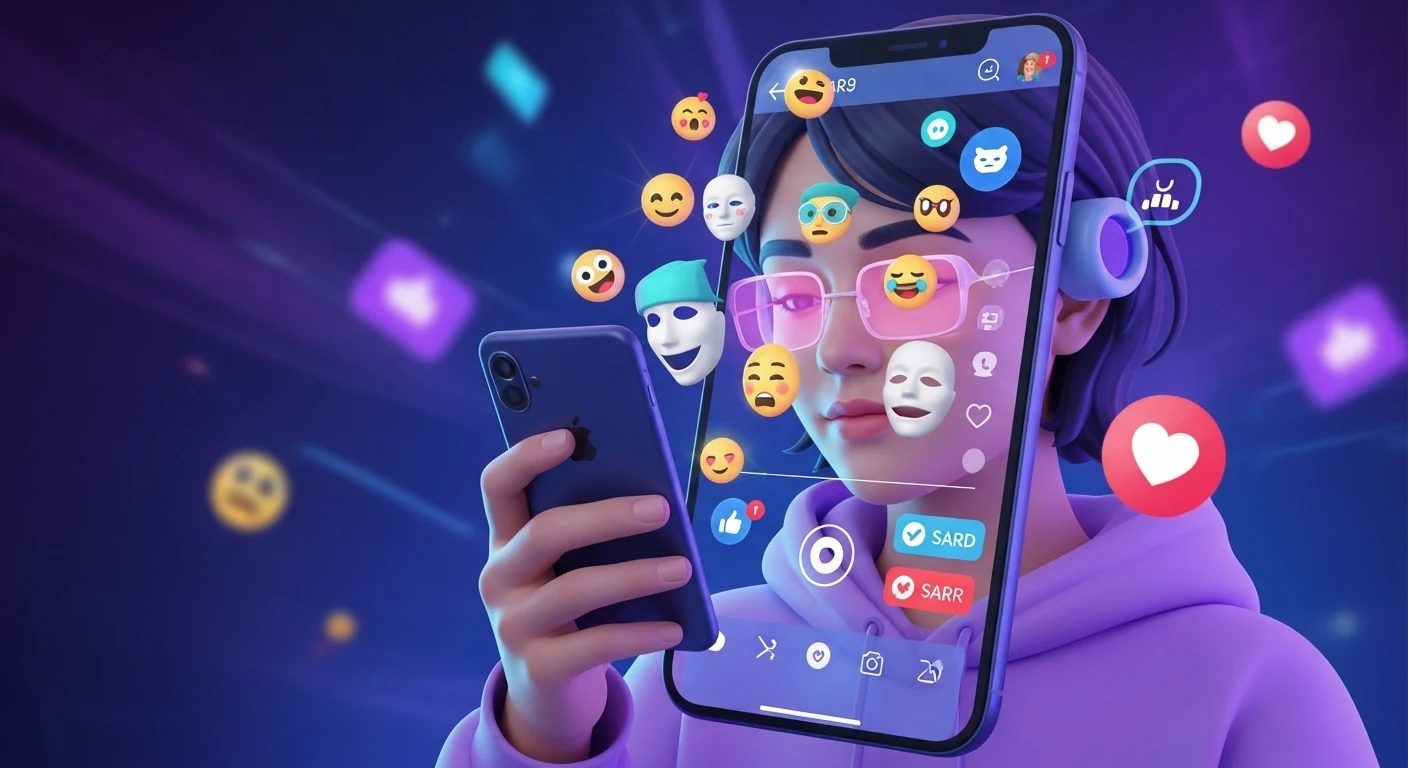
In today’s hyper-visual digital world, brands are constantly searching for innovative ways to stand out, engage audiences, and create memorable experiences. One of the most powerful yet underutilized tools in this landscape is Story filters—also known as AR (Augmented Reality) filters. From playful face effects to immersive brand storytelling experiences, these filters have transformed how users interact with content on platforms like Instagram, TikTok, and Snapchat.
But here’s the real opportunity: you don’t need to be a tech giant to create a viral filter. With the right strategy, creativity, and execution, even small brands can build filters that reach millions.
This comprehensive guide will walk you through everything you need to know—from concept to creation, from publishing to virality.
1. Understanding Story Filters and Why They Matter 🎯
What Are Story Filters?
Story filters are interactive digital overlays that users can apply to photos or videos in real time. Powered by augmented reality, they can:
- Track facial movements 👀
- Recognize environments 🌍
- Respond to gestures ✋
- Add animations, effects, and sounds 🎶
They go far beyond simple aesthetics—they create interactive experiences.
Why Filters Are So Powerful
| Benefit | Explanation |
|---|---|
| 📈 High Engagement | Users actively interact with your brand instead of passively consuming content |
| 🔁 Shareability | Filters encourage users to share content with their network |
| 🧠 Brand Recall | Interactive experiences are more memorable |
| 💸 Low Cost | Compared to ads, filters can generate organic reach |
| 🌍 Viral Potential | One good filter can reach millions |
Real Impact
A well-designed filter can:
- Generate user-generated content (UGC)
- Turn users into brand ambassadors
- Increase visibility without paid ads
Think of filters as mini interactive campaigns living inside users’ phones.
2. The Psychology Behind Viral Filters 🧠🔥
Before creating anything, you need to understand why people use filters.
Key Psychological Triggers
1. Identity Expression 🎭
People use filters to show who they are—or who they want to be.
👉 Example:
- Funny personality filters
- Aesthetic or “cool” looks
2. Social Validation ❤️
Users want likes, comments, and shares.
👉 Your filter should help them:
- Look better
- Be funnier
- Stand out
3. Curiosity & Surprise 😲
Filters that reveal something unexpected perform extremely well.
👉 Examples:
- “Which character are you?”
- Random results filters
4. Gamification 🎮
Interactive filters that feel like games increase engagement.
👉 Examples:
- Tap-to-play filters
- Head movement challenges
Viral Formula
A viral filter usually combines:
Fun + Shareability + Simplicity + Emotional Hook
3. Types of Filters That Go Viral 💡
Not all filters are created equal. Some formats perform better consistently.
Popular Filter Types
1. Face Transformation Filters 👤✨
- Beauty enhancements
- Cartoon effects
- Fantasy looks
2. Random Selector Filters 🎲
- “Which X are you?”
- “Your future job”
- “Your mood today”
3. Interactive Game Filters 🎮
- Catch objects
- Score points
- Reaction-based challenges
4. Educational Filters 📚
- Quick tips
- Fun facts
- Micro-learning experiences
5. Brand Story Filters 🏷️
- Showcase products
- Simulate usage
- Tell a story
Comparison Table
| Type | Virality Potential | Difficulty | Best For |
|---|---|---|---|
| Random Selector | ⭐⭐⭐⭐⭐ | Easy | Fast growth |
| Games | ⭐⭐⭐⭐ | Medium | High engagement |
| Face Effects | ⭐⭐⭐⭐ | Medium | Beauty/fashion brands |
| Educational | ⭐⭐⭐ | Medium | Authority building |
| Story Filters | ⭐⭐⭐⭐ | Advanced | Deep branding |
4. Planning Your Filter Strategy 🧩
Creating a filter without a strategy is like posting content without a goal.
Define Your Objective
Ask yourself:
- Do I want brand awareness?
- Do I want followers?
- Do I want product promotion?
Identify Your Audience
| Audience Type | What They Want |
|---|---|
| Gen Z | Fun, trends, humor |
| Millennials | Aesthetic, relatable content |
| Professionals | Value, insights |
Create a Concept
A strong concept includes:
- 🎯 Clear idea
- 🎭 Emotional hook
- 🔁 Repeatability (people use it multiple times)
Example Concept Breakdown
| Element | Example |
|---|---|
| Theme | “What entrepreneur are you?” |
| Interaction | Tap screen |
| Outcome | Random personality |
| Branding | Subtle logo in corner |
5. Tools to Create Story Filters 🛠️
You don’t need to code everything from scratch.
Popular Platforms
1. Spark AR (Instagram & Facebook)
- Most widely used
- Beginner-friendly
- Powerful features
2. Effect House (TikTok)
- Designed for TikTok filters
- Strong viral potential
3. Lens Studio (Snapchat)
- Advanced capabilities
- High-quality AR
Key Features to Learn
- Face tracking 👤
- Object tracking 📦
- Animation 🎬
- Logic/patch editor 🧠
- Audio integration 🎵
6. Step-by-Step: Creating Your First Filter 🧪
Step 1: Define Idea 💡
Start simple:
- One interaction
- One result
Step 2: Design Assets 🎨
You’ll need:
- Images (PNG)
- Animations
- UI elements
Step 3: Build in AR Tool
Basic workflow:
- Import assets
- Add face tracker
- Position elements
- Add interaction logic
Step 4: Test 📱
- Try on different faces
- Check lighting conditions
- Ensure smooth performance
Step 5: Publish 🚀
- Upload to platform
- Add name, description, keywords
7. Branding Without Being Annoying 🏷️
This is where many brands fail.
Golden Rule:
👉 The filter is about the user, not your brand.
Subtle Branding Techniques
- Small logo placement
- Brand colors 🎨
- Thematic consistency
- Hidden Easter eggs 🥚
What NOT to Do ❌
- Big intrusive logos
- Over-promotional messaging
- Interrupting user experience
8. How to Make Your Filter Go Viral 🔥
Creating is only half the battle.
Launch Strategy
1. Use Influencers 👥
- Give early access
- Encourage usage
2. Create a Challenge 🎯
Example:
- “Try this filter and tag us”
3. Leverage Trends 📊
- Align with memes
- Use trending formats
4. Optimize Metadata 🧠
- Catchy name
- Search-friendly keywords
Viral Boost Checklist
| Action | Impact |
|---|---|
| Influencer push | High |
| Trend alignment | High |
| Shareable concept | Very High |
| Timing | Medium |
9. Measuring Success 📊
Key Metrics
- 📈 Impressions
- 🎥 Uses
- 🔁 Shares
- 👥 New followers
Performance Table
| Metric | What It Means |
|---|---|
| Impressions | How many saw it |
| Opens | How many tried it |
| Captures | Photos/videos taken |
| Shares | Viral indicator |
10. Common Mistakes to Avoid ⚠️
1. Too Complex 🤯
If users don’t understand instantly, they leave.
2. No Clear Hook ❌
You need a reason for people to try it.
3. Weak Design 🎨
Low-quality visuals kill credibility.
4. Ignoring Trends 📉
Trends drive visibility.
5. Overbranding 🚫
Kills shareability.
11. Advanced Growth Tactics 🚀
1. Series Filters 🔁
Create multiple filters in a theme.
2. Seasonal Drops 🎄
- Holidays
- Events
- Campaigns
3. Collaboration 🤝
Partner with:
- Influencers
- Other brands
4. Data Iteration 📊
Analyze and improve each version.
12. Future of AR Filters 🌐
AR is evolving rapidly.
Trends to Watch
- 🧠 AI-powered personalization
- 🌍 World AR experiences
- 🛍️ Virtual shopping filters
- 🎮 AR gaming
Opportunity
Brands that adopt early will:
- Stand out
- Build stronger communities
- Gain organic reach
13. Final Thoughts 💭
Creating Story filters is not just a technical skill—it’s a creative marketing superpower.
The brands that win are those that:
- Understand their audience
- Create fun, simple experiences
- Encourage sharing
Ultimate Takeaway
👉 Don’t just create a filter—create something people WANT to share.
Because when users share your filter, they’re not just using your brand…
They’re becoming part of it. ❤️
Leave a Reply