
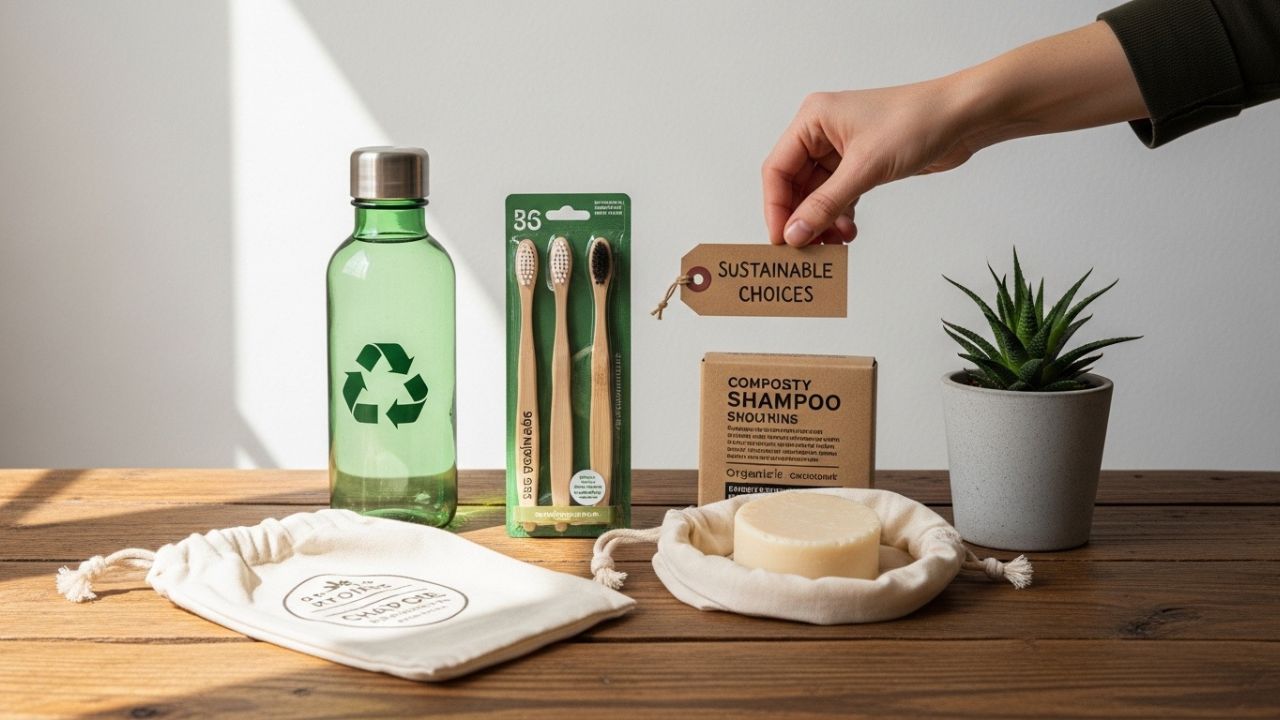
Instagram is no longer just a platform for aesthetic photos and viral trends—it has evolved into a powerful storytelling engine, especially for eco-conscious brands 🌍. For sustainability-focused businesses, Instagram offers a unique opportunity to show, not just tell, how their values translate into real-world impact.
Eco-brands face a specific challenge: sustainability is complex. It involves supply chains, materials, ethics, social responsibility, environmental impact, and long-term thinking. Instagram, with its visual-first nature and high engagement rates, can transform these complex ideas into digestible, emotional, and inspiring stories.
However, simply posting green-colored visuals or recycling symbols is not enough ❌. Today’s audiences are more informed, more skeptical, and more sensitive to greenwashing than ever before. To succeed, eco-brands must use Instagram strategically, authentically, and creatively.
This article explores how eco-brands can leverage Instagram to showcase sustainability, build trust, grow loyal communities, and drive meaningful engagement—without compromising transparency or integrity.
Understanding the Eco-Conscious Instagram Audience 🌿
Before posting anything, it’s crucial to understand who you’re talking to.
Eco-conscious Instagram users are not a monolith. They range from casual supporters who like green aesthetics to deeply informed activists who scrutinize every claim.
Key Characteristics of Eco-Conscious Followers
- 🌱 Value-driven: They care about ethics, transparency, and impact.
- 🧠 Well-informed: Many understand sustainability jargon and industry standards.
- 🔍 Skeptical: They question vague claims and demand proof.
- 🤝 Community-oriented: They like to engage, comment, and share.
- 📢 Advocates: When they trust a brand, they promote it organically.
Understanding this mindset helps eco-brands shape content that resonates emotionally and intellectually.
Building a Sustainable Brand Identity on Instagram ♻️
Consistency Is Sustainability
Sustainability is about long-term commitment, and your Instagram presence should reflect that.
A sustainable Instagram identity includes:
- Consistent visual style 🎨
- Clear brand values 🧭
- Honest messaging 💬
- Repeatable content themes 🔁
Your grid should feel like a coherent story, not a collection of disconnected posts.
Visual Language for Eco-Brands
Eco-brands often lean into natural tones, but sustainability does not mean boring.
Popular visual elements include:
- Earthy color palettes (greens, browns, sand tones)
- Natural textures (wood, fabric, stone)
- Real environments (farms, workshops, oceans, forests)
- Minimalist design with breathing space
⚠️ Avoid overly polished or artificial visuals—they can undermine authenticity.
Storytelling: Turning Sustainability into Stories 📖
From Data to Narrative
Sustainability involves data: emissions reduced, water saved, waste diverted. But Instagram thrives on stories, not spreadsheets.
Instead of saying:
“We reduced carbon emissions by 30%.”
Try:
“Three years ago, we redesigned our supply chain. Today, that choice means 30% less carbon—and cleaner air for the communities we work with.”
Stories humanize sustainability.
Story Arcs Eco-Brands Can Use
| Story Type | Description | Example |
|---|---|---|
| Origin Story | Why the brand exists | Founder quitting fast fashion |
| Process Story | How products are made | Behind-the-scenes production |
| Impact Story | Results of sustainable choices | Trees planted, waste reduced |
| Community Story | People involved | Farmers, artisans, employees |
| Failure Story | Lessons learned | Mistakes and improvements |
Sharing challenges—not just successes—builds credibility 💚.
Showcasing Transparency Without Overwhelming ⚖️
Transparency is essential, but dumping too much technical detail can confuse or disengage followers.
How to Balance Transparency
- Use carousel posts to break down complex topics
- Simplify language without dumbing it down
- Use visuals to explain processes
- Link deeper reports in bio or highlights
What Transparency Looks Like on Instagram
- Certifications explained clearly 🏷️
- Supply chain maps 🌍
- “Why we chose this material” posts 🧵
- Pricing breakdowns 💰
Transparency earns trust, and trust earns loyalty.
Content Formats That Work Best for Eco-Brands 📲
Instagram offers multiple content formats. Successful eco-brands use all of them strategically.
1. Feed Posts
Ideal for:
- Brand storytelling
- High-quality visuals
- Evergreen educational content
2. Carousels
Perfect for:
- Educational breakdowns
- Step-by-step processes
- Before/after sustainability improvements
Carousels often outperform single images in engagement 📈.
3. Reels
Reels are powerful for reach and discovery.
Great reel ideas:
- Quick sustainability tips 🌱
- “Day in the life” of eco-workers
- Packaging transformations
- Myth-busting sustainability claims
Authentic, imperfect videos often perform better than overly produced ones.
4. Stories
Stories build intimacy and daily connection.
Use them for:
- Polls and questions 🗳️
- Behind-the-scenes moments
- Limited-time announcements
- Quick updates on impact
5. Highlights
Create permanent sustainability sections like:
- “Impact”
- “Materials”
- “Certifications”
- “Our Process”
Educational Content Without Being Boring 🧠✨
Education is central to sustainability—but no one likes lectures.
How to Make Educational Content Engaging
- Use simple language
- Add emojis strategically 😄
- Ask questions
- Use visuals and diagrams
- Connect education to daily life
Examples of Educational Post Topics
- “What does biodegradable actually mean?”
- “Why recycled polyester isn’t perfect”
- “The difference between organic and regenerative farming”
- “How to spot greenwashing”
Education positions your brand as a trusted guide, not just a seller.
Using Emojis to Enhance Eco-Messaging 🌍💚
Emojis add warmth, accessibility, and personality.
Eco-Friendly Emoji Palette
- 🌱 Growth, sustainability
- ♻️ Circular economy
- 🌍 Global impact
- 💧 Water conservation
- 🌞 Renewable energy
- 🧵 Ethical fashion
- 🤝 Fair trade
Use emojis to support, not replace, meaningful content.
User-Generated Content and Community Trust 🤳🤝
Your audience is your strongest proof.
Why User-Generated Content (UGC) Matters
- Builds social proof
- Feels authentic
- Encourages community participation
- Reduces content creation pressure
How Eco-Brands Can Encourage UGC
- Branded sustainability hashtags
- Reposting customers’ eco-stories
- Challenges (e.g., zero-waste week)
- Featuring customers’ impact stories
UGC turns customers into ambassadors 🌟.
Collaborating with Ethical Influencers 🌟
Not all influencers are equal—especially in sustainability.
What to Look for in Eco-Influencers
- Values alignment
- Transparent past partnerships
- Engaged (not inflated) audiences
- Willingness to speak honestly
Micro-Influencers vs Macro-Influencers
| Type | Pros | Cons |
|---|---|---|
| Micro (10k–50k) | High trust, niche | Smaller reach |
| Macro (100k+) | Visibility | Risk of low authenticity |
For eco-brands, trust often beats reach.
Avoiding Greenwashing on Instagram 🚫🌱
Greenwashing can destroy trust overnight.
Common Greenwashing Mistakes
- Vague claims (“eco-friendly”, “green”)
- Overemphasizing small improvements
- Using misleading imagery
- Hiding negative impacts
How to Stay Authentic
- Be specific
- Show evidence
- Admit limitations
- Avoid perfection language
Honesty is more powerful than polish.
Metrics That Matter for Eco-Brands 📊
Vanity metrics don’t tell the full story.
Meaningful Instagram Metrics
| Metric | Why It Matters |
|---|---|
| Saves | Educational value |
| Shares | Message resonance |
| Comments | Community engagement |
| Story replies | Trust and intimacy |
| Profile visits | Brand interest |
Track metrics that reflect impact, not just popularity.
Long-Term Instagram Strategy for Sustainable Growth 🌳
Sustainability is a marathon, not a sprint.
Key Principles for Long-Term Success
- Consistency over virality
- Education over hype
- Community over conversion
- Transparency over perfection
Instagram should mirror your sustainability philosophy: thoughtful, intentional, and resilient.
Conclusion: Instagram as a Tool for Positive Change 🌍✨
Instagram is not just a marketing platform—it’s a cultural space where values are shared, debated, and shaped. For eco-brands, it offers the chance to lead by example, educate with integrity, and inspire real-world change.
When used responsibly, Instagram becomes more than a showcase. It becomes a bridge between sustainability ideals and everyday action—one post, one story, one community at a time 💚.
Eco-brands that succeed on Instagram don’t just sell products.
They build movements.
Leave a Reply