
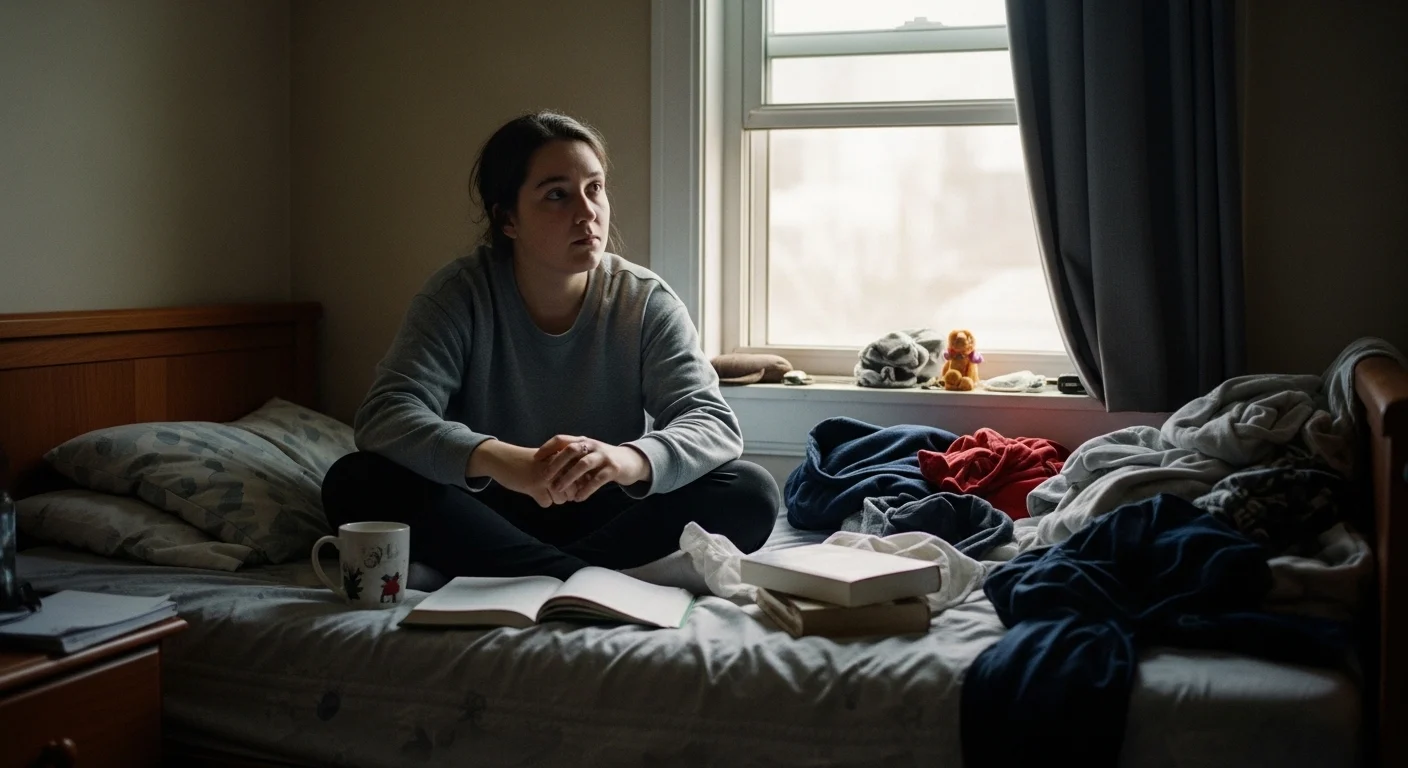
For over a decade, the internet was dominated by perfection. Social media platforms became digital galleries where every photo was curated, every caption calculated, and every moment polished into an idealized version of reality. Smooth skin filters, carefully staged meals, symmetrical compositions, and color-coordinated lifestyles defined what it meant to “succeed” online.
But something has shifted.
Today, audiences are increasingly drawn to something radically different: imperfection. Rawness. Authenticity. Content that feels unfiltered, spontaneous, and—most importantly—real.
This shift marks what many consider the end of perfect aesthetics. The glossy, magazine-like visuals that once dominated platforms are being replaced by shaky camera footage, unedited photos, and candid storytelling. Instead of aspiring to perfection, creators are embracing vulnerability. Instead of flawless imagery, audiences crave relatability.
Why is this happening? What changed in user behavior, psychology, and digital culture? And what does it mean for creators, brands, and the future of online communication?
Let’s explore.
1. The Rise and Fall of Perfect Aesthetics
1.1 The Era of Curation
In the early days of visual social media, aesthetics were everything. Platforms rewarded:
- High-resolution images
- Carefully planned compositions
- Consistent color palettes
- Idealized lifestyles
Creators invested heavily in:
- Professional cameras 📷
- Editing software 🎨
- Lighting setups 💡
- Travel and staging ✈️
The result? Feeds that looked like magazine spreads.
But this perfection came at a cost.
1.2 The Problem with Perfection
Perfect aesthetics created a gap between what people saw and what they lived.
| Aspect | Perfect Content | Real Life |
|---|---|---|
| Appearance | Flawless skin | Imperfections |
| Lifestyle | Constant excitement | Routine & monotony |
| Emotions | Happiness & success | Mixed feelings |
| Environment | Clean & styled | Messy & chaotic |
This gap led to:
- Comparison anxiety 😟
- Unrealistic expectations
- Reduced trust
- Emotional fatigue
Over time, audiences began to question what they were seeing.
2. The Psychological Shift Toward Authenticity
2.1 Humans Crave Connection, Not Perfection
At a fundamental level, humans are social beings. We seek:
- Relatability
- Emotional resonance
- Shared experiences
Perfect content often fails at these.
Why?
Because perfection is alienating.
When everything looks flawless, it becomes:
- Hard to relate to
- Easy to distrust
- Emotionally distant
Real-life content, on the other hand, feels human.
2.2 The Authenticity Effect
Psychologically, authenticity triggers stronger engagement because it:
- Builds trust 🤝
- Signals honesty
- Reduces social distance
- Encourages empathy
When someone shares:
- A messy room
- A bad day
- An unfiltered photo
It sends a powerful message:
“I’m like you.”
And that message is deeply compelling.
2.3 Vulnerability as Strength
In the past, vulnerability was seen as weakness.
Today, it is a currency of connection.
Creators who share:
- Failures
- Struggles
- Behind-the-scenes moments
Often experience:
- Higher engagement 📈
- Stronger community bonds
- Increased loyalty
Because vulnerability invites participation.
3. Platform Evolution and Algorithmic Incentives
3.1 The Rise of Short-Form, Raw Content
Modern platforms prioritize:
- Short videos 🎥
- Spontaneous moments
- Minimal editing
This naturally favors real-life content.
Why?
Because raw content is:
- Faster to produce
- Easier to consume
- More emotionally immediate
3.2 Algorithms Reward Engagement, Not Perfection
Algorithms are designed to maximize:
- Watch time
- Interaction
- Shares
- Comments
And guess what performs better?
👉 Content that sparks emotion.
Not necessarily content that looks perfect.
3.3 The Feedback Loop
The shift toward authenticity is reinforced by a loop:
- Raw content gets more engagement
- Platforms promote it
- More creators adopt it
- Audience expectations change
Result:
Perfection becomes less relevant.
4. The Fatigue of Aesthetic Perfection
4.1 Visual Overload
After years of polished content, audiences are experiencing:
- Aesthetic fatigue 😵
- Content saturation
- Reduced novelty
When everything looks perfect, nothing stands out.
4.2 Predictability Kills Engagement
Perfect aesthetics often follow patterns:
- Same poses
- Same filters
- Same compositions
This leads to:
- Lower curiosity
- Faster scrolling
- Reduced emotional impact
Real-life content breaks patterns.
4.3 The “Too Good to Be True” Effect
Highly polished content can trigger skepticism:
- “Is this staged?”
- “Is this edited?”
- “Is this real?”
This reduces trust.
In contrast, imperfect content feels more believable.
5. The Power of Imperfection
5.1 Imperfection Signals Authenticity
Small flaws can make content more engaging:
- Shaky camera 🎥
- Natural lighting 🌤️
- Background noise 🔊
- Unscripted speech
These elements signal:
👉 “This is real.”
5.2 The Beauty of the Unplanned
Real-life content captures moments that cannot be staged:
- Spontaneous laughter 😂
- Unexpected events
- Genuine reactions
These moments create emotional resonance.
5.3 Imperfection Creates Identity
Perfect aesthetics often look similar across creators.
But imperfection:
- Differentiates
- Personalizes
- Humanizes
It becomes a signature.
6. Case Study Comparison
Polished vs Real-Life Content Performance
| Metric | Polished Content | Real-Life Content |
|---|---|---|
| Production Time | High ⏳ | Low ⚡ |
| Cost | Expensive 💰 | Minimal 💸 |
| Engagement Rate | Moderate | High 📈 |
| Trust Level | Medium | High 🤝 |
| Shareability | Low | High 🔁 |
| Emotional Impact | Controlled | Strong ❤️ |
Conclusion:
Real-life content wins in most engagement metrics.
7. The Role of Storytelling
7.1 Stories Over Aesthetics
People don’t engage with visuals alone.
They engage with:
- Narratives
- Emotions
- Context
A slightly blurry video with a powerful story can outperform a perfect image.
7.2 Relatable Narratives
Real-life content often includes:
- Daily struggles
- Personal growth
- Honest reflections
These narratives:
- Invite empathy
- Encourage interaction
- Build community
8. The Creator Perspective
8.1 Lower Barriers to Entry
Perfect aesthetics require:
- Skills
- Tools
- Time
Real-life content removes these barriers.
Anyone can create.
8.2 Creative Freedom
Creators are no longer constrained by:
- Visual perfection
- Brand consistency
- Technical standards
They can experiment more.
8.3 Burnout Reduction
Maintaining perfect aesthetics is exhausting.
Real-life content allows:
- Faster creation
- Less pressure
- More authenticity
This leads to:
- Sustainable creativity 🌱
9. The Audience Perspective
9.1 Desire for Honesty
Audiences today value:
- Transparency
- Real experiences
- Honest opinions
They are more skeptical of perfection.
9.2 Participation Culture
Real-life content invites:
- Comments
- Conversations
- Shared experiences
It feels interactive, not performative.
9.3 Emotional Validation
Seeing real-life struggles helps people feel:
- Less alone
- More understood
- More connected
10. Risks and Misinterpretations
10.1 “Fake Authenticity”
Ironically, authenticity can be staged.
Some creators:
- Pretend to be spontaneous
- Script “real” moments
This can backfire if detected.
10.2 Oversharing
Not all real-life content is beneficial.
Risks include:
- Loss of privacy 🔒
- Emotional burnout
- Audience discomfort
Balance is key.
10.3 Quality Still Matters
Real-life doesn’t mean careless.
Important elements remain:
- Clear audio 🎤
- Basic visibility 👁️
- Coherent messaging
Authenticity ≠ low effort.
11. The Future of Content
11.1 Hybrid Aesthetics
The future is not purely raw or perfect.
It’s a blend:
- Authentic storytelling
- Light production quality
11.2 Context Over Perfection
Content will be judged more by:
- Meaning
- Relevance
- Emotion
Than by visual perfection.
11.3 Community-Driven Content
Audiences will increasingly shape:
- Trends
- Formats
- Expectations
Real-life content aligns with this shift.
12. Practical Guidelines for Creators
12.1 Embrace Imperfection
- Don’t over-edit
- Keep natural elements
- Show behind-the-scenes
12.2 Focus on Story
Ask:
- What am I sharing?
- Why does it matter?
12.3 Be Consistent, Not Perfect
Consistency builds trust more than perfection.
12.4 Engage Authentically
- Reply to comments
- Share opinions
- Show personality
12.5 Protect Your Boundaries
Authenticity doesn’t require:
- Sharing everything
- Losing privacy
Conclusion: A Return to Humanity
The decline of perfect aesthetics is not just a trend—it’s a cultural correction.
For years, digital spaces pushed people toward idealization. Toward perfection. Toward a version of life that was visually stunning but emotionally distant.
Now, we are witnessing a return to something more fundamental:
👉 Human connection.
Real-life content works because it reflects reality. It embraces imperfection. It values honesty over polish, emotion over symmetry, and connection over performance.
In a world saturated with perfection, being real is what stands out.
And perhaps, in the end, that’s what people wanted all along. ❤️
Leave a Reply