
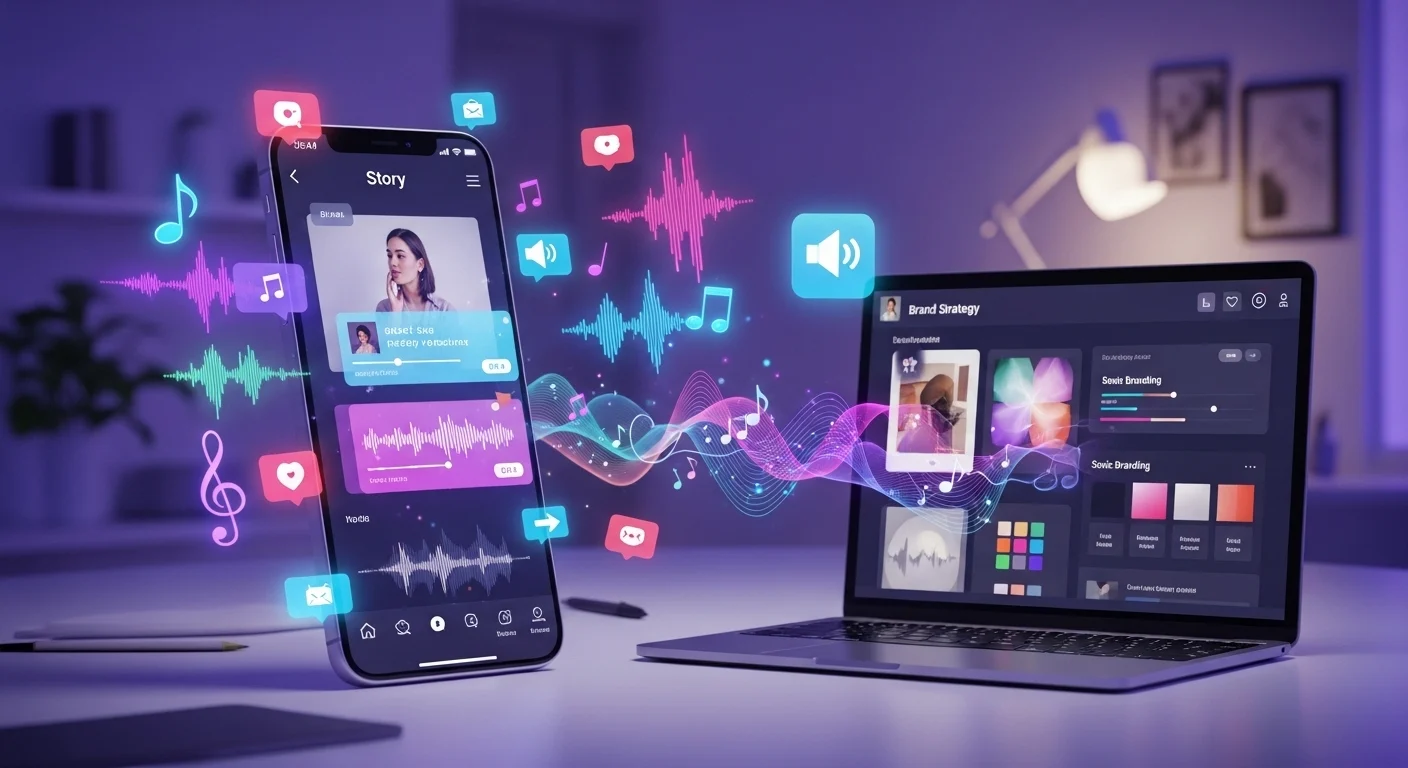
In today’s fast-paced digital world, attention is a scarce resource. Social media Stories—whether on Instagram, Facebook, TikTok, or other platforms—offer brands a powerful, fleeting opportunity to connect with audiences. But what separates forgettable Stories from memorable ones? One often underestimated element: music.
Music is more than background noise. It is emotion, identity, memory, and storytelling—all wrapped into one sensory experience. When used strategically, it can elevate your Stories from simple visuals to immersive brand experiences that resonate deeply with your audience.
This comprehensive guide will walk you through everything you need to know about using music in Stories to strengthen and reinforce your brand identity.
🎯 1. Understanding Brand Identity and Sound
Before diving into tactics, it’s crucial to understand what brand identity really means.
📌 What is Brand Identity?
Brand identity is the collection of elements that a company creates to portray the right image to its consumer. This includes:
- Visual elements (colors, fonts, logos)
- Tone of voice
- Messaging
- Values and personality
- Sound and music (often overlooked!)
🎶 The Role of Sound in Branding
Sound branding (or sonic branding) is the use of audio elements to reinforce a brand. Think of it as your brand’s “voice” in musical form.
Music can communicate:
- Emotion (happy, calm, energetic)
- Personality (luxury, playful, edgy)
- Values (authentic, innovative, traditional)
👉 In Stories, where content disappears quickly, music helps anchor memory.
🧠 2. Why Music Works So Well in Stories
Music has a direct connection to human psychology.
🔬 Emotional Impact of Music
Studies show that music can:
- Trigger memories instantly
- Influence mood within seconds
- Increase engagement and retention
⚡ Why It’s Perfect for Stories
Stories are:
- Short-lived (24 hours)
- Fast-paced
- Emotion-driven
Music enhances all of these by:
- Creating immediate emotional context
- Filling silent gaps
- Making content feel more “alive”
🪄 3. Defining Your Brand’s Musical Identity
Before adding music randomly, you need a clear sonic direction.
🎨 Step-by-Step Framework
1. Identify Your Brand Personality
Ask yourself:
| Brand Trait | Music Style Example |
|---|---|
| Playful | Pop, upbeat indie |
| Luxurious | Classical, ambient, jazz |
| Bold/Edgy | Hip-hop, electronic, rock |
| Calm/Wellness | Acoustic, lo-fi, nature |
| Innovative | Experimental, synth, future |
2. Define Emotional Goals
What should people feel when they see your Stories?
- Inspired? ✨
- Relaxed? 🌿
- Excited? 🚀
- Nostalgic? 📼
3. Create a Sonic Palette
Just like a color palette, define:
- 3–5 music styles
- Preferred tempos
- Instrument types
- Mood categories
👉 This ensures consistency across all Stories.
📱 4. Types of Stories Where Music Matters Most
Not all Stories need music—but some benefit enormously.
🎥 Content Types + Music Strategy
| Story Type | Music Strategy |
|---|---|
| Product showcase | Highlight features with rhythm |
| Behind-the-scenes | Authentic, casual tracks |
| Tutorials | Soft background, non-distracting |
| Promotions | Energetic, attention-grabbing |
| Testimonials | Emotional, subtle |
| Lifestyle content | Aspirational, mood-driven |
🎼 5. Choosing the Right Music
🔑 Key Factors to Consider
1. Tempo (Speed)
- Fast tempo → excitement, urgency
- Slow tempo → calm, emotional depth
2. Genre
Match your audience preferences and brand positioning.
3. Lyrics vs Instrumental
| Type | When to Use |
|---|---|
| Instrumental | Focus on visuals or voiceover |
| Lyrics | Reinforce message or emotion |
4. Cultural Relevance
Trending music can boost reach—but be careful:
✔ Use trends that align with your brand
❌ Avoid trends that feel forced
🔄 6. Consistency is Everything
Consistency builds recognition.
🧩 How to Stay Consistent
- Use recurring music styles
- Repeat certain tracks or sounds
- Maintain similar emotional tones
👉 Over time, your audience will associate certain sounds with your brand.
🧪 7. Experimenting Without Losing Identity
You don’t have to be repetitive to be consistent.
🎯 Smart Experimentation
Try:
- New genres within your palette
- Seasonal variations (holiday vibes 🎄, summer beats ☀️)
- Different tempos for different campaigns
🎤 8. Combining Music with Voice and Text
Music should complement—not compete.
⚖️ Balance Elements
Best Practices:
- Lower music volume when speaking
- Sync text animations with beats
- Use pauses intentionally
🧱 Example Structure
- Hook (visual + beat drop)
- Message (text/voice)
- Reinforcement (music builds emotion)
- CTA (music peaks or softens)
📊 9. Measuring the Impact
How do you know if your music strategy works?
📈 Metrics to Track
- Story completion rate
- Tap-forward vs tap-back
- Engagement (replies, reactions)
- Shares
🔍 A/B Testing Ideas
Test different:
- Genres
- Tempos
- With vs without music
🚫 10. Common Mistakes to Avoid
❌ 1. Using Random Music
Inconsistent music = weak brand identity
❌ 2. Overpowering the Message
Music too loud or distracting can:
- Confuse viewers
- Reduce clarity
❌ 3. Ignoring Audience Preferences
Your taste ≠ your audience’s taste
❌ 4. Chasing Every Trend
Trends should serve your brand—not define it.
💡 11. Advanced Strategies
🎧 1. Create a Signature Sound
Develop:
- A recurring intro/outro sound
- A recognizable beat or tone
🔁 2. Use Music Series
Example:
- “Monday Motivation” → same upbeat track weekly
- “Behind the Brand” → consistent chill vibe
🎚️ 3. Sound Layering
Combine:
- Music
- Sound effects
- Ambient noise
👉 Creates richer experiences.
🌍 12. Adapting Music Across Platforms
Each platform has its own culture.
📱 Platform Differences
| Platform | Music Style Preference |
|---|---|
| Trendy, aesthetic | |
| TikTok | Viral, high-energy |
| Familiar, broad appeal |
🧭 13. Aligning Music with Campaign Goals
Different goals require different sounds.
🎯 Examples
| Goal | Music Style |
|---|---|
| Awareness | Catchy, memorable |
| Conversion | Energetic, urgent |
| Loyalty | Emotional, warm |
🧠 14. The Psychology of Repetition
Repetition builds familiarity.
🔁 Why It Works
- Familiar sounds feel trustworthy
- Repetition strengthens recall
- Creates emotional attachment
🧩 15. Integrating Music into Your Brand System
Music shouldn’t be an afterthought.
🏗️ Build It Into:
- Brand guidelines
- Content strategy
- Campaign planning
📅 16. Planning Your Stories with Music
🗂️ Weekly Content Plan Example
| Day | Content Type | Music Style |
|---|---|---|
| Monday | Motivation | Upbeat |
| Tuesday | Tips | Light background |
| Wednesday | BTS | Casual |
| Thursday | Product | Rhythmic |
| Friday | Promo | High-energy |
🎯 17. Real-World Scenario Example
Imagine a fitness brand:
🏋️♂️ Strategy
- High-energy tracks for workouts
- Calm music for recovery tips
- Motivational beats for quotes
👉 Result: consistent emotional journey
🔮 18. Future Trends in Music for Stories
Stay ahead by watching trends:
- AI-generated music 🤖
- Personalized audio experiences
- Interactive sound elements
🧠 19. Key Takeaways
✅ Music = emotional shortcut
✅ Consistency builds identity
✅ Strategy beats randomness
✅ Test and refine constantly
🏁 Conclusion
Music is not just an accessory—it’s a strategic branding tool.
When used intentionally in Stories, it:
- Strengthens brand identity
- Enhances emotional connection
- Improves engagement and recall
By defining your sonic identity, staying consistent, and aligning music with your message, you transform your Stories into powerful brand-building moments.
Leave a Reply