
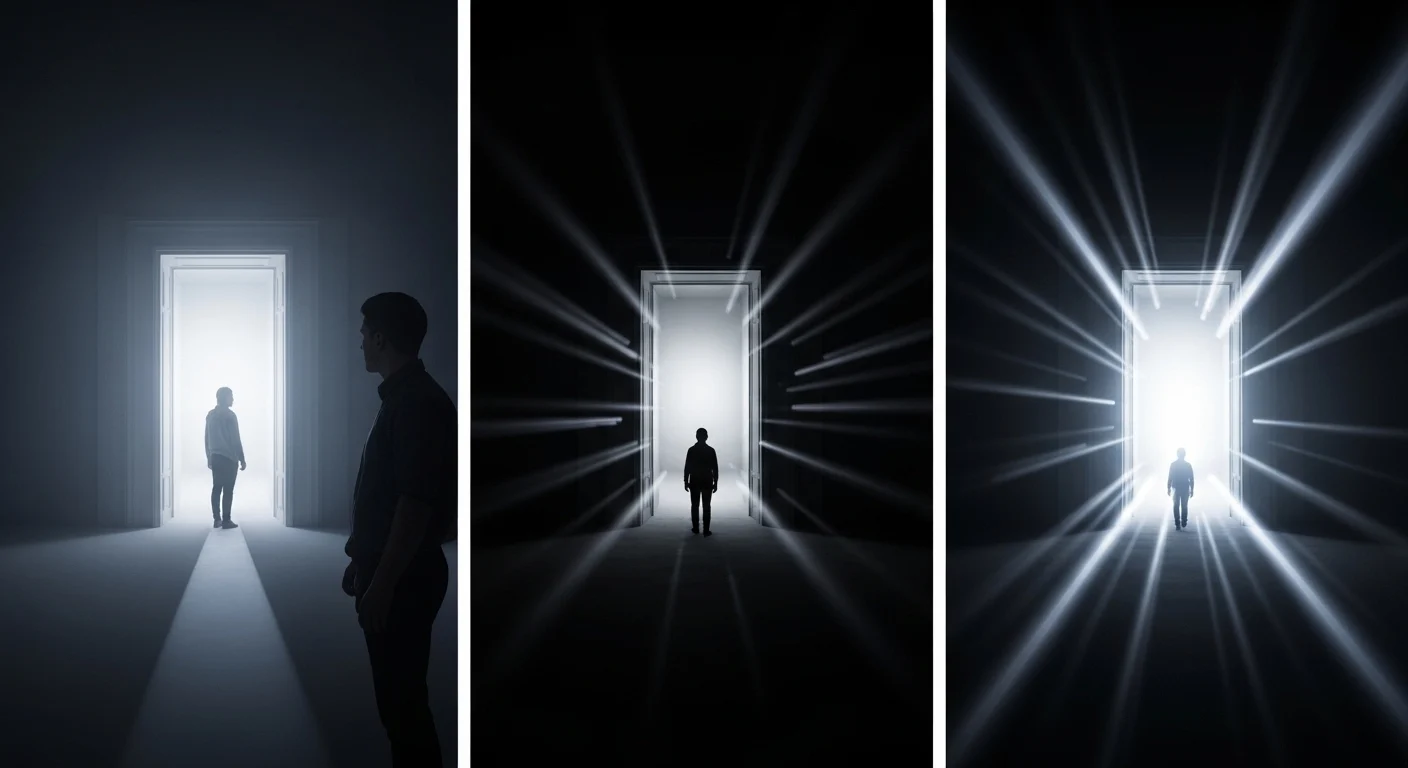
Visual storytelling is one of the most powerful forms of communication in the modern world. Whether you’re working in film, photography, comics, advertising, or social media, your ability to guide a viewer’s attention determines how effectively your message is received. Unlike written narratives, where the sequence is controlled by language, visual storytelling relies on composition, movement, contrast, and structure to lead the eye naturally from one element—or frame—to the next.
But here’s the challenge: viewers don’t always look where you expect them to.
Their eyes wander. They get distracted. They interpret scenes differently based on their experiences. That’s why mastering the art of guiding the viewer’s eye isn’t just helpful—it’s essential.
In this in-depth article, we’ll explore the principles, psychology, and practical techniques behind directing visual attention across frames. From cinematic transitions to comic panel flow and social media carousels, you’ll learn how to create seamless visual journeys that feel intuitive, engaging, and emotionally impactful.
1. Understanding How the Eye Moves 👀
Before you can guide the eye, you need to understand how it behaves.
1.1 Natural Eye Movement Patterns
Humans don’t look at images randomly. There are predictable scanning behaviors:
- Left-to-right, top-to-bottom (in Western cultures)
- Z-pattern scanning for simple layouts
- F-pattern scanning for text-heavy visuals
- Center-first focus, then outward exploration
These patterns are deeply ingrained and can be used to your advantage.
1.2 Visual Hierarchy
Visual hierarchy determines what the viewer sees first, second, and last. It’s created using:
- Size 📏
- Contrast 🎨
- Color 🌈
- Position 📍
- Motion 🌀
The stronger the hierarchy, the easier it is to guide the viewer smoothly.
1.3 Attention Triggers
Certain elements naturally attract attention:
- Faces (especially eyes) 😊
- Bright colors
- Movement or implied motion
- High contrast areas
- Text
Understanding these triggers allows you to control focus deliberately.
2. The Concept of “Flow” Between Frames 🔄
Visual storytelling rarely happens in a single image. Instead, it unfolds across multiple frames—like:
- Film shots 🎥
- Comic panels 🧩
- Instagram carousels 📱
- Storyboards 📋
“Flow” refers to how easily the viewer transitions from one frame to the next.
2.1 What Breaks Flow?
- Abrupt visual changes
- Lack of continuity
- Confusing composition
- Competing focal points
2.2 What Enhances Flow?
- Consistent direction
- Repeated visual elements
- Logical progression
- Smooth transitions
3. Composition Techniques That Guide the Eye 🎯
3.1 Leading Lines
Leading lines are one of the most powerful tools in visual storytelling.
They can be:
- Roads
- Rivers
- Shadows
- Architecture
- Body posture
These lines naturally direct the viewer’s gaze toward a focal point.
Example:
A character looking toward the right edge of a frame subtly tells the viewer, “Look here next.”
3.2 Rule of Thirds
Dividing your frame into thirds creates natural focal points.
| Position | Effect |
|---|---|
| Center | Stable but less dynamic |
| Left third | Suggests beginning |
| Right third | Suggests continuation |
| Top third | Emphasis, importance |
| Bottom third | Grounding, stability |
When transitioning between frames, aligning focal points along these thirds creates continuity.
3.3 Framing Within the Frame
Using elements inside your scene to frame the subject:
- Windows 🪟
- Doorways 🚪
- Trees 🌳
- Shadows
This isolates attention and prevents distraction.
3.4 Depth and Layers
Foreground, midground, and background create depth and guide exploration.
- Foreground: Entry point
- Midground: Main action
- Background: Context
Layering helps the eye travel naturally through the image.
4. Directional Cues Across Frames ➡️
One of the most important aspects of guiding attention between frames is direction.
4.1 Consistent Directional Movement
If a subject moves left to right in one frame, continuing that direction in the next frame creates smooth flow.
Breaking direction intentionally can create tension or surprise.
4.2 Eye-Line Matching
When a character looks at something:
- Show the character looking 👁️
- Cut to what they’re seeing
This creates a natural visual connection between frames.
4.3 Motion Continuity
Motion can carry the viewer across frames:
- A hand reaching → next frame shows what it touches
- A running character → continues movement in next shot
5. Color and Light as Navigation Tools 🌈💡
5.1 Color Contrast
Bright or contrasting colors attract attention.
| Technique | Effect |
| Red on neutral | Immediate focus |
| Warm vs cool contrast | Directional emphasis |
| Color repetition | Visual linking between frames |
5.2 Lighting
Light guides the eye naturally:
- Bright areas attract attention
- Dark areas recede
Use lighting to:
- Highlight subjects
- Create paths
- Connect scenes
5.3 Color Continuity
Repeating a color across frames creates cohesion.
Example:
A red scarf appearing in multiple frames becomes a visual anchor.
6. Transitions Between Frames 🎞️
Transitions are the glue of visual storytelling.
6.1 Types of Transitions
| Transition Type | Description | Effect |
| Cut | Immediate change | Fast pacing |
| Fade | Gradual transition | Emotional tone |
| Match cut | Similar shapes/composition | Seamless connection |
| Wipe | One frame replaces another | Stylized movement |
6.2 Match Cuts
Match cuts are especially powerful for guiding the eye.
Example:
A circular object → cuts to another circular object in next frame.
The viewer’s brain connects them instantly.
6.3 Visual Echoes
Repeating shapes, colors, or compositions creates continuity.
7. Rhythm and Pacing ⏱️
Visual storytelling isn’t just spatial—it’s temporal.
7.1 Fast vs Slow Sequences
- Fast cuts = excitement ⚡
- Slow transitions = contemplation 🧘
7.2 Visual Beats
Each frame acts like a beat in music.
- Strong beat: high contrast, dramatic composition
- Soft beat: minimal detail, calm visuals
7.3 Controlling Attention Through Timing
Give viewers time to process:
- Complex images need longer exposure
- Simple images can move quickly
8. Psychological Principles 🧠
8.1 Gestalt Principles
These explain how humans perceive visual elements.
| Principle | Description |
| Proximity | Close elements are grouped |
| Similarity | Similar elements are connected |
| Continuity | The eye follows lines |
| Closure | The brain fills gaps |
8.2 Visual Expectation
Viewers expect:
- Logical progression
- Consistent direction
- Clear focal points
Breaking expectations can be powerful—but must be intentional.
9. Storyboarding for Eye Flow 📋
Storyboarding helps plan visual flow before execution.
9.1 What to Consider
- Entry point of each frame
- Exit direction
- Focal transitions
- Emotional progression
9.2 Example Flow Table
| Frame | Entry Point | Focus | Exit Direction |
| 1 | Center | Character | Right |
| 2 | Left | Object | Up |
| 3 | Top | Action | Center |
10. Medium-Specific Techniques 📱🎨🎥
10.1 Film
- Camera movement guides attention
- Depth of field isolates subjects
- Editing controls flow
10.2 Comics
- Panel layout controls reading order
- Speech bubbles guide sequence 💬
- Diagonal compositions create motion
10.3 Social Media Carousels
- Swipe direction matters 👉
- Use visual hooks in first frame
- Maintain consistent design language
10.4 Photography Series
- Use recurring themes
- Maintain tonal consistency
- Guide progression through subject placement
11. Common Mistakes 🚫
11.1 Too Many Focal Points
Confuses the viewer and breaks flow.
11.2 Lack of Direction
No clear path for the eye to follow.
11.3 Inconsistent Composition
Disrupts continuity between frames.
11.4 Ignoring Negative Space
Negative space is crucial for guiding attention.
12. Practical Workflow 🛠️
Step-by-Step Process
- Define the story
- Identify key moments
- Sketch frames
- Plan eye movement
- Apply composition techniques
- Test flow
- Refine
13. Advanced Techniques 🚀
13.1 Visual Misdirection
Guide the eye one way, then reveal something unexpected.
13.2 Parallel Action
Show multiple actions while maintaining clarity.
13.3 Symbolic Transitions
Use metaphorical imagery to connect frames.
14. Case Study Example 📖
Imagine a simple story:
- A person looks at a door 🚪
- The door opens
- Bright light floods in 💡
Eye Guidance:
- Frame 1: Character on left, looking right
- Frame 2: Door centered
- Frame 3: Light expands outward
The viewer naturally follows the gaze → door → light.
15. Conclusion: Designing the Invisible Path ✨
Guiding a viewer’s eye between frames is an invisible craft. When done well, it goes unnoticed—because everything feels natural, intuitive, and engaging.
But behind that simplicity lies careful planning:
- Composition
- Direction
- Color
- Motion
- Psychology
Mastering these elements allows you to create visual stories that not only look beautiful but also communicate clearly and powerfully.
In the end, visual storytelling is about control—not in a restrictive way, but in a guiding way. You’re not forcing the viewer to see something; you’re inviting them to follow a path you’ve thoughtfully designed.
And when they follow that path effortlessly, you’ve succeeded. 🎯
Leave a Reply